

1.Family history
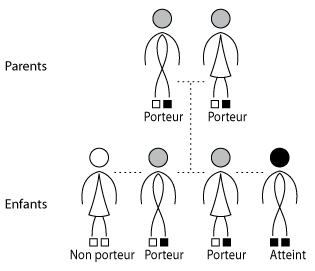
Only about 5 to 10 percent of all cancers are genetically inherited, or hereditary. It’s rare for a brain tumor to be genetically inherited. Talk to your doctor if several people in your family have been diagnosed with a brain tumor. Your doctor can recommend a genetic counselor for you.
2.Age

Risk for most types of brain tumors increases with age.
3.Race
Brain tumors in general are more common among Caucasians. However, African-American people are more likely to get meningiomas.
4.Chemical exposure
Being exposed to certain chemicals, such as those you might find in a work environment, can increase your risk for brain cancer. The National Institute for Occupational Safety and HealthTrusted Source keeps a list of potential cancer-causing chemicals found in work places.
5.Exposure to radiation
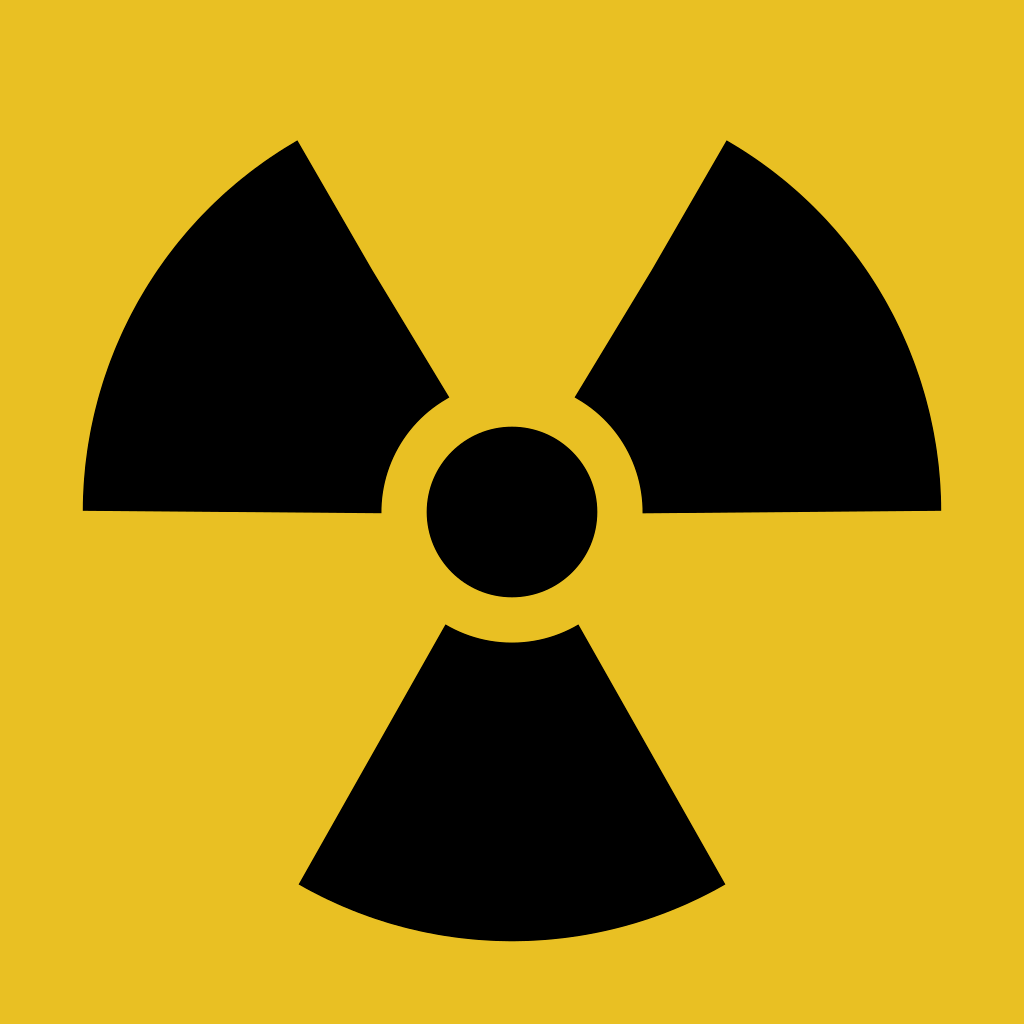
People who have been exposed to ionizing radiation have an increased risk of brain tumors. You can be exposed to ionizing radiation through high-radiation cancer therapies. You can also be exposed to radiation from nuclear fallout. The nuclear power plant incidents in Fukushima and Chernobyl are examples of how people can be exposed to ionizing radiation.
6.No history of chicken pox

According tothe American Brain Tumor Association, people with a history of childhood chicken pox have a decreased risk of getting brain tumors.
Read more about brain tumors:
2. Types and symptomes of every type
3. Cause
4. Diagnostics
5. Teatments

 Neuroscience Blog
5 Comments